Enforcement of labour mobility and social security coordination rules for aircrew members
Published date:
Irish is available via eTranslation, the European Commission's machine translation service.
Translate to Irish | Important information about machine translation
This report examines the enforcement of EU labour mobility and social security coordination rules for aircrew members – pilots and cabin crew – working in the commercial air transport (CAT) sector. Drawing on desk research, a survey of national authorities and case studies in 10 Member States, it analyses the current enforcement landscape, identifies common challenges and highlights opportunities to strengthen cross-border cooperation and enforcement.
Enforcement in the CAT sector is highly fragmented, with an average of four national authorities sharing responsibility for monitoring compliance with labour mobility and social security coordination rules in each Member State. Labour inspectorates, social security institutions and civil aviation authorities all play important but distinct roles, making cooperation at both national and cross-border level essential for effective enforcement.
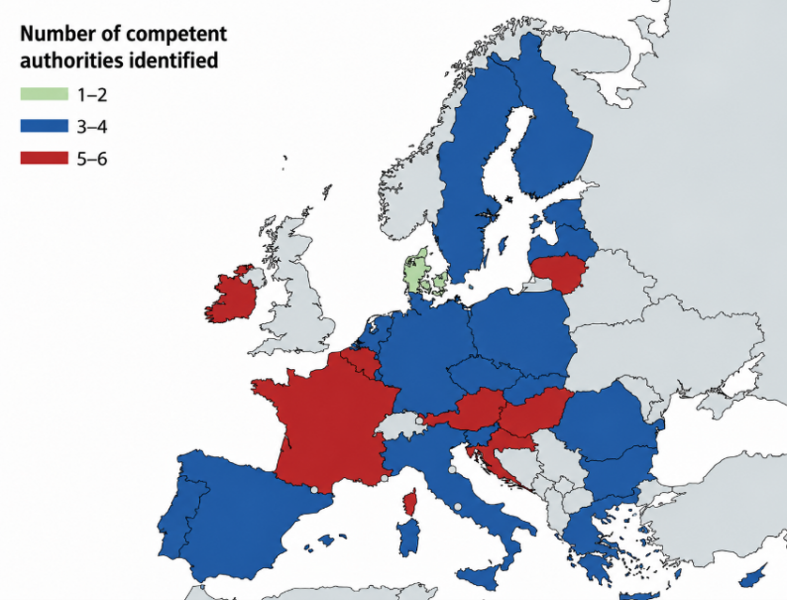
The report also finds considerable differences in national enforcement approaches, with some Member States carrying out structured, risk-based inspections alongside preventative checks while others carry out mainly complaint-driven activities.
The cross-border nature of aviation and increasingly complex employment arrangements can make it difficult to determine the applicable labour law and social security legislation. Authorities frequently report difficulties with identifying the actual employer, establishing from where the aircrew member habitually works and distinguishing between types of labour mobility mobility.
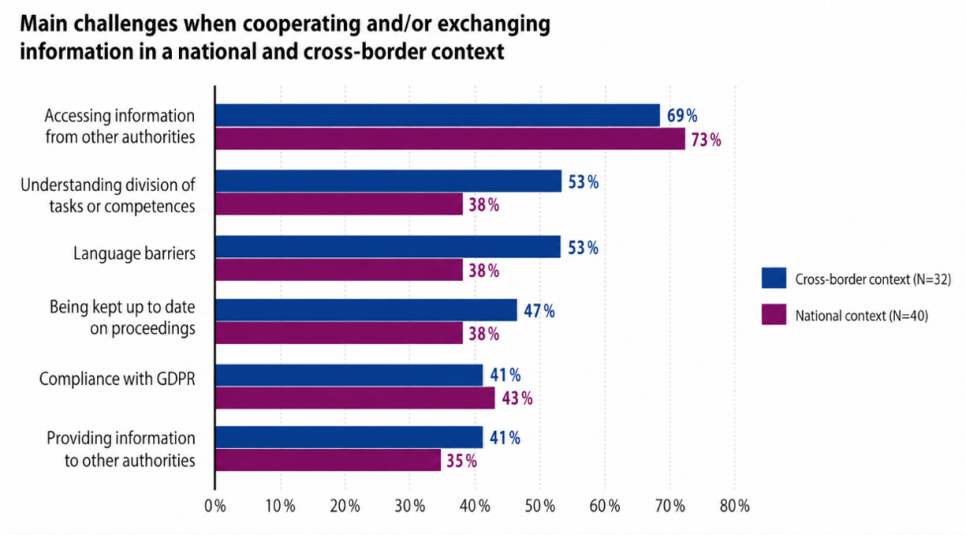
National enforcement authorities report limited access to operational data, challenges when applying key legal concepts such as home base and posting to complex factual patterns, and restricted access to airports and aircraft further complicate enforcement across Member States.
Ten country case studies illustrate how enforcement varies across the EU, highlighting differences in institutional coordination, inspection activity and available resources in the CAT sector and concerning aircrew. While some Member States have developed specialised expertise, joint inspections and data-driven approaches, others report limited enforcement capacity and low priority of the sector.
The need to strengthen cross-border cooperation and exchange of information in quick and efficient manner was identified across case studies.
Effective enforcement requires closer cooperation between labour inspectorates, social security institutions and civil aviation authorities, both nationally and across borders. More awareness within the sector about how and when labour mobility and social security coordination rules apply in specific cross-border mobility situations would facilitate compliance within the sector and help to prevent infringements before they arise. Clearer guidance on key legal concepts, better information sharing, greater use of EU cooperation mechanisms and stronger sector-specific expertise would support consistent enforcement of EU labour mobility and social security coordination rules.