Over 2,000 employers inspected during ELA Week of Action on Undeclared Work
Published date:
News
Hindi is available via eTranslation, the European Commission's machine translation service.
Translate to Hindi | Important information about machine translation
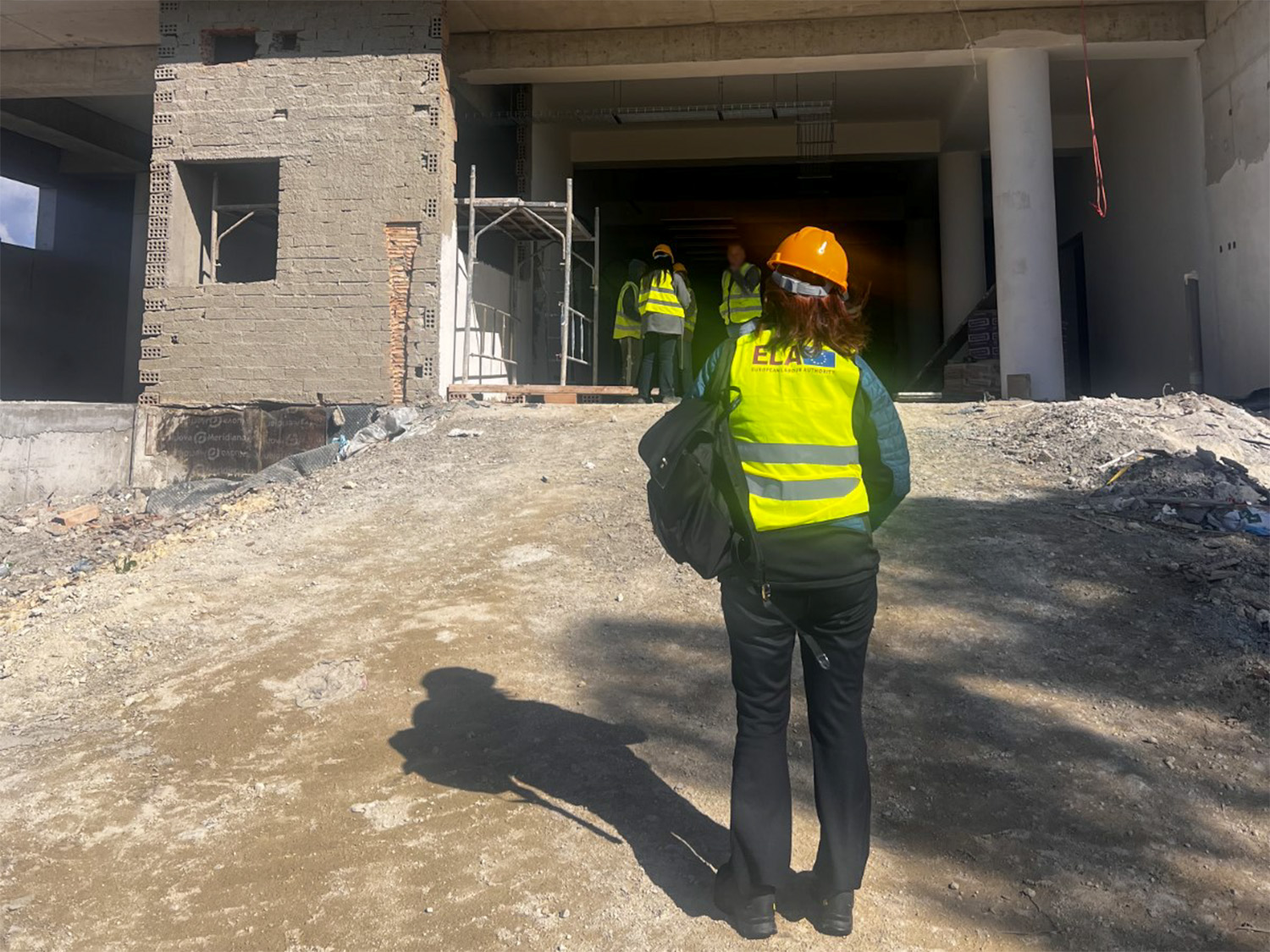
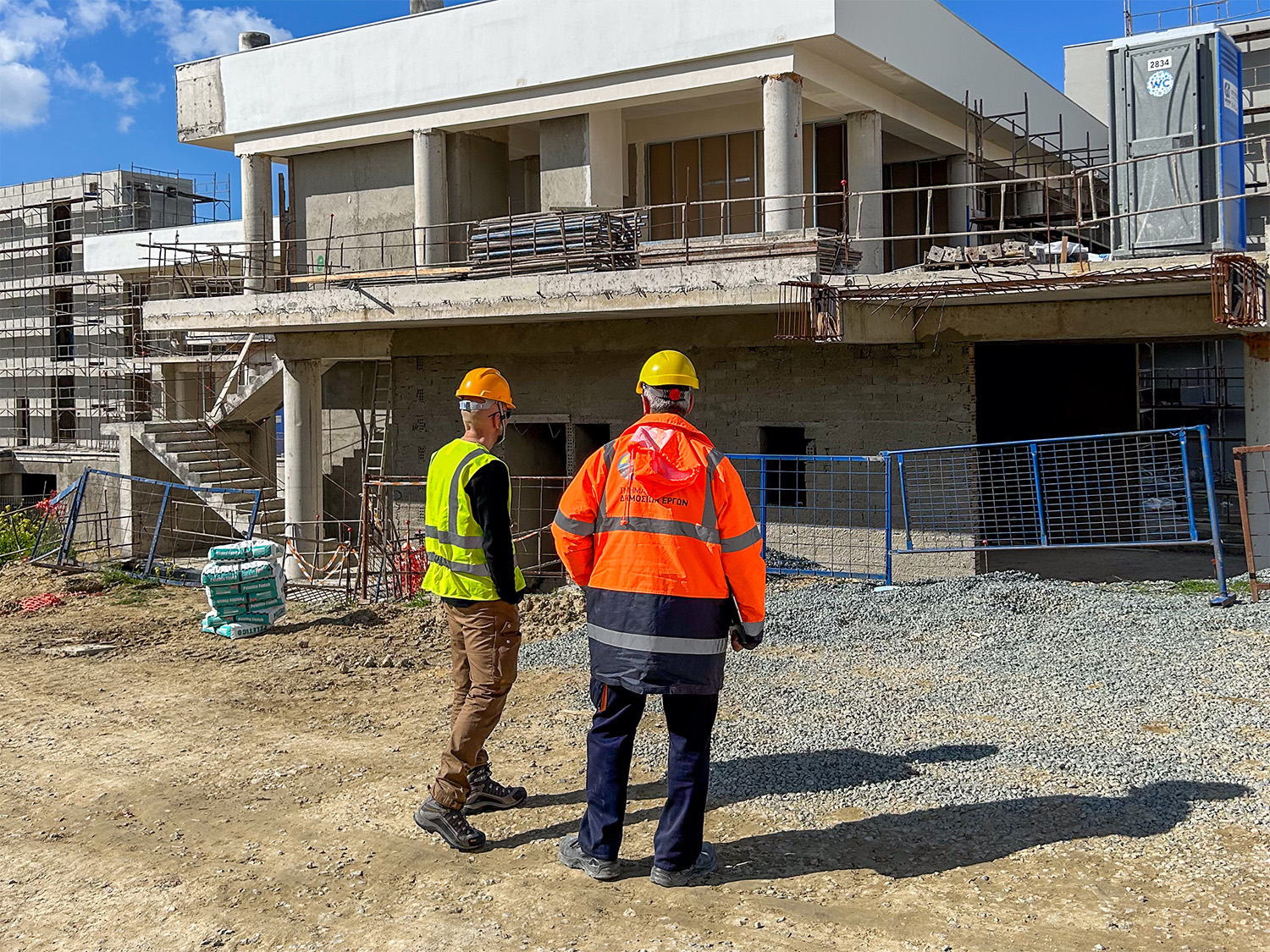
Labour inspectors from 18 EU and EFTA countries carried out inspections targeting undeclared work across multiple sectors on a Europe-wide Week of Action. The initiative was supported by the European Labour Authority.
The Week of Action was part of a coordinated EU-level approach for tackling undeclared work effectively, combining inspection activities with preventive measures. Inspections focused primarily on sectors and professions with a higher risk of undeclared and underdeclared work (unpaid long working hours), such as accommodation and food services, retail, hotels and restaurants, as well as hairdressing and beauty services. In several countries, inspections also centred on manufacturing, construction and transportation sector.
Inspections took place in Austria, Belgium, Bulgaria, Cyprus, Czechia, Denmark, Germany, Greece, Malta, Norway, Poland, and Romania*.
Austria, Croatia, Czechia, Germany, Ireland, Italy, Poland, Slovakia, Slovenia and Spain were involved in the cross-border actions in above Member States.
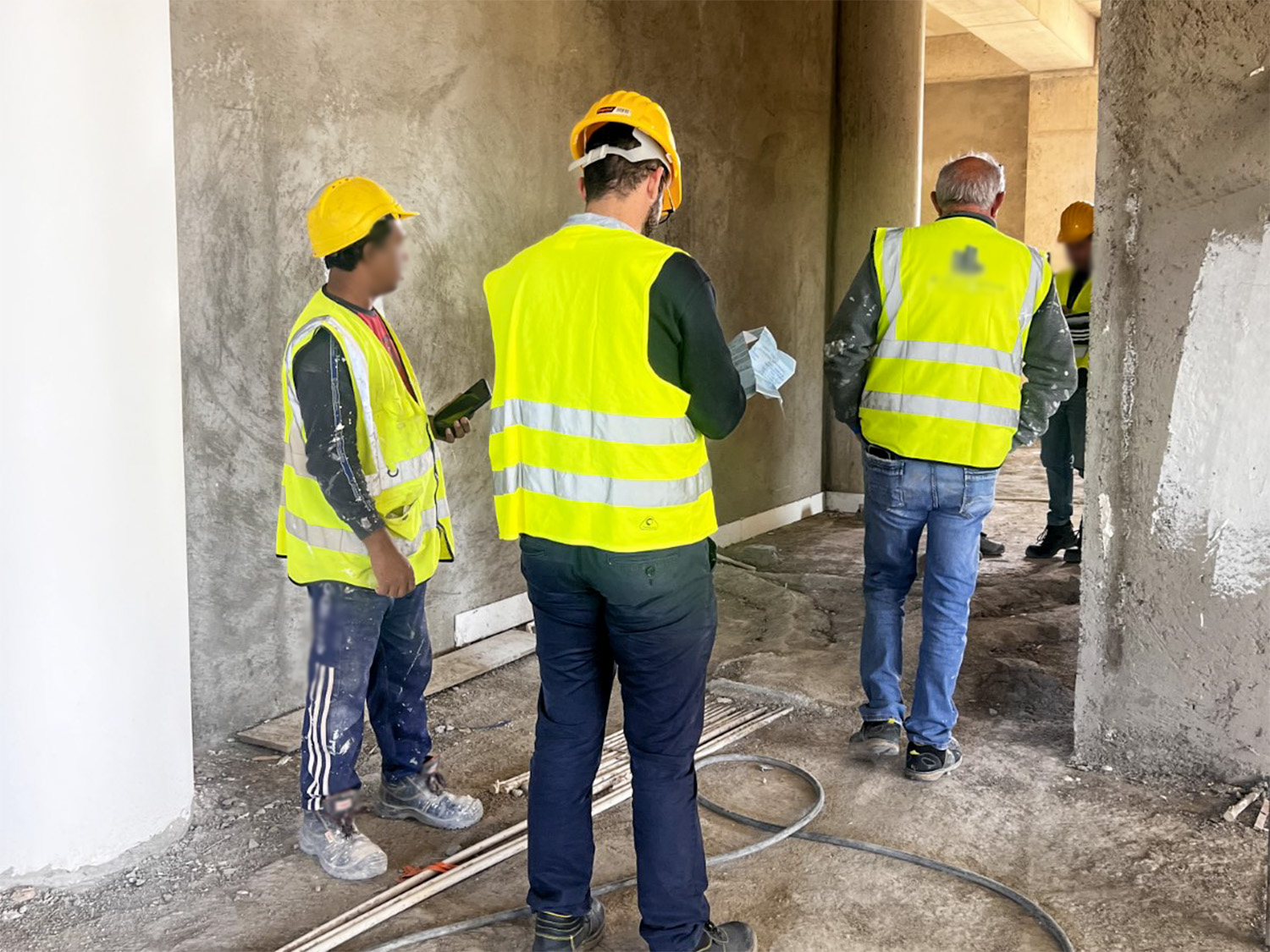
Labour, social, tax and other inspectors identified over 700 suspected instances of non-compliance related to undeclared work and illegal employment in total. Even if on many occasions workers had work contracts and were registered with social security systems, they still were not paid full wages or not all working hours were declared. In some cases, unauthorised employment of third-country nationals, and cases of bogus self-employment were detected. Inspectors also identified numerous occupational health and safety violations; in the most severe cases, they stopped work immediately.
Inspections also uncovered cases of social security fraud, such as companies registering workers and paying social security contributions in one Member State, while carrying out their actual activities in another. Additional irregularities included non-compliance with posting requirements, such as missing, incomplete, invalid, or fraudulent posting declarations, PD A1 or other documentation.
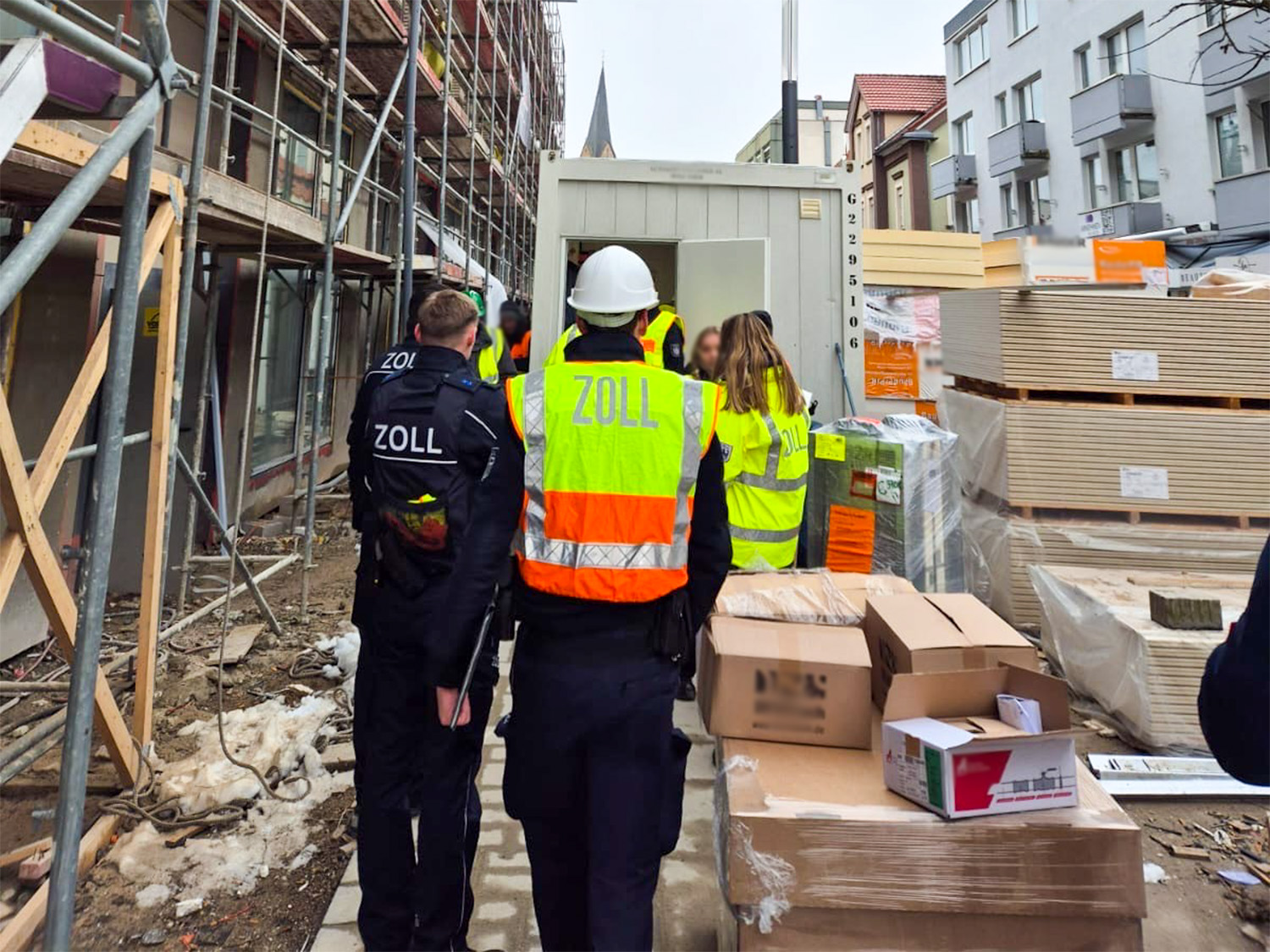
Several cross-border inspections focused on undeclared work in posting situations. German Customs authorities participated in five joint inspections targeting businesses operating across borders, including companies posting workers to Germany from Austria, Italy, Slovenia, and Spain. Investigations are ongoing.
"By conducting investigations beyond the national borders, we are able to better coordinate the national procedures to tackle fraudulent practices to reveal and stop fraudulent activities impacting in particular posted workers."
"Thanks to such cross-border initiatives, we can pool our resources even more effectively and work together to ensure a more consistent and effective fight against crime."
Complementing these extensive inspection efforts, a European-wide communication campaign promoting declared work was launched on 16 February 2026, marking the 10th anniversary of the European Platform tackling undeclared work. While inspections focused on identifying and addressing cases of non-compliance, the campaign supports a more preventive approach by raising awareness of the risks and consequences of undeclared work, encouraging voluntary compliance with labour and social legislation, and supporting national authorities in promoting fair and transparent labour practices.
*Some countries also carried out national inspections targeting undeclared work during the week of action. The numbers on checks include the national inspection results.