Results (246)

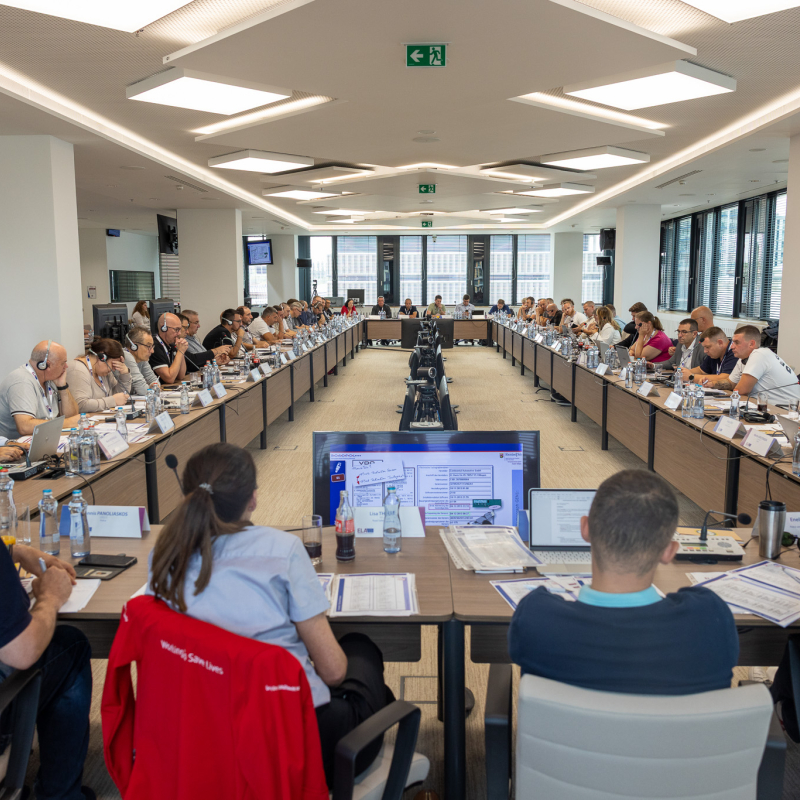
The European Labour Authority (ELA) brought together authorities, social partners and experts from Czechia and six other Member States in Prague on 6-7 October 2026. The national event supported cooperation and the exchange of practices to improve the detection and prevention of disguised job placement.
Published date:
News
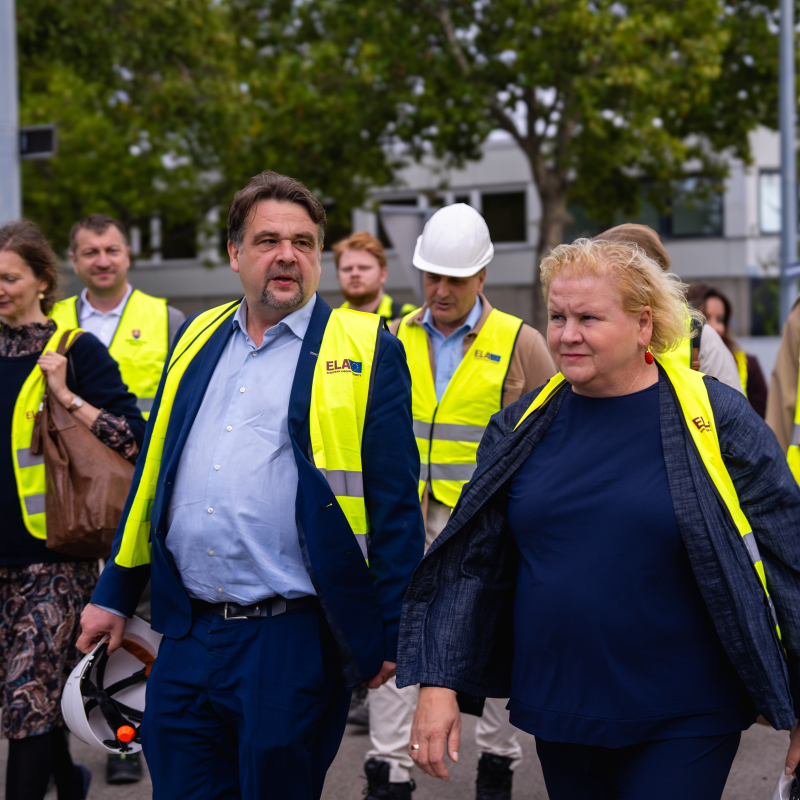
ELA supported Austrian and Slovak authorities in a targeted joint inspection on 22 September 2026 to check compliance with rules on posting, minimum wages, undeclared and under-declared work, bogus self-employment, and social security registration. Members of the European Parliament, as well as the Austrian Minister of Labour, observed the inspection to see how cooperation between Member States in enforcing EU labour mobility legislation with ELA support works.
Published date:
News

Help shape ELA's websites, digital products, communication materials by sharing your feedback and experience.
Published date:
News

New ELA report highlights emerging risks linked to labour shortages, subcontracting and procurement practices in a sector employing more than 1.2 million workers across Europe.
Published date:
News

In cooperation with six other EU Member States, Austrian authorities carried out a large-scale joint road transport inspection on 8-9 September 2026, on the A12 motorway in Tyrol, supported by the European Labour Authority (ELA). Twenty-three labour inspectors and other enforcement experts from Belgium, Croatia, France, Germany, Italy and Slovenia joined the inspection to exchange expertise and strengthen cross-border enforcement.
Published date:
News

The European Labour Authority (ELA) and Europol have signed today a Working Arrangement to strengthen their cooperation in tackling labour exploitation, trafficking in human beings, fraud and related forms of serious and organised crime.
Published date:
News

In June 2026, the European Labour Authority (ELA) coordinated its first week of action dedicated to temporary employment agencies and other labour intermediaries. In this targeted action, enforcement authorities from 14 EU Member States worked together to check 70 companies and almost 2800 workers.
Published date:
News

Aircrew working across Europe face gaps in how labour mobility and social security rules are enforced, according to a new European Labour Authority (ELA) report published today. The report covers all EU Member States and shows that national enforcement systems struggle to keep pace with the highly mobile work patterns of pilots and cabin crew. ELA assessed how rules are applied in practice, collected data from national authorities, and provides practical recommendations to help improve the enforcement of EU labour mobility and social security rules.
Published date:
News

ELA coordinated another Road Transport Week of Action in the first week of May 2026, with 21 Member States taking part to check compliance with EU and national rules in the sector.
Published date:
News