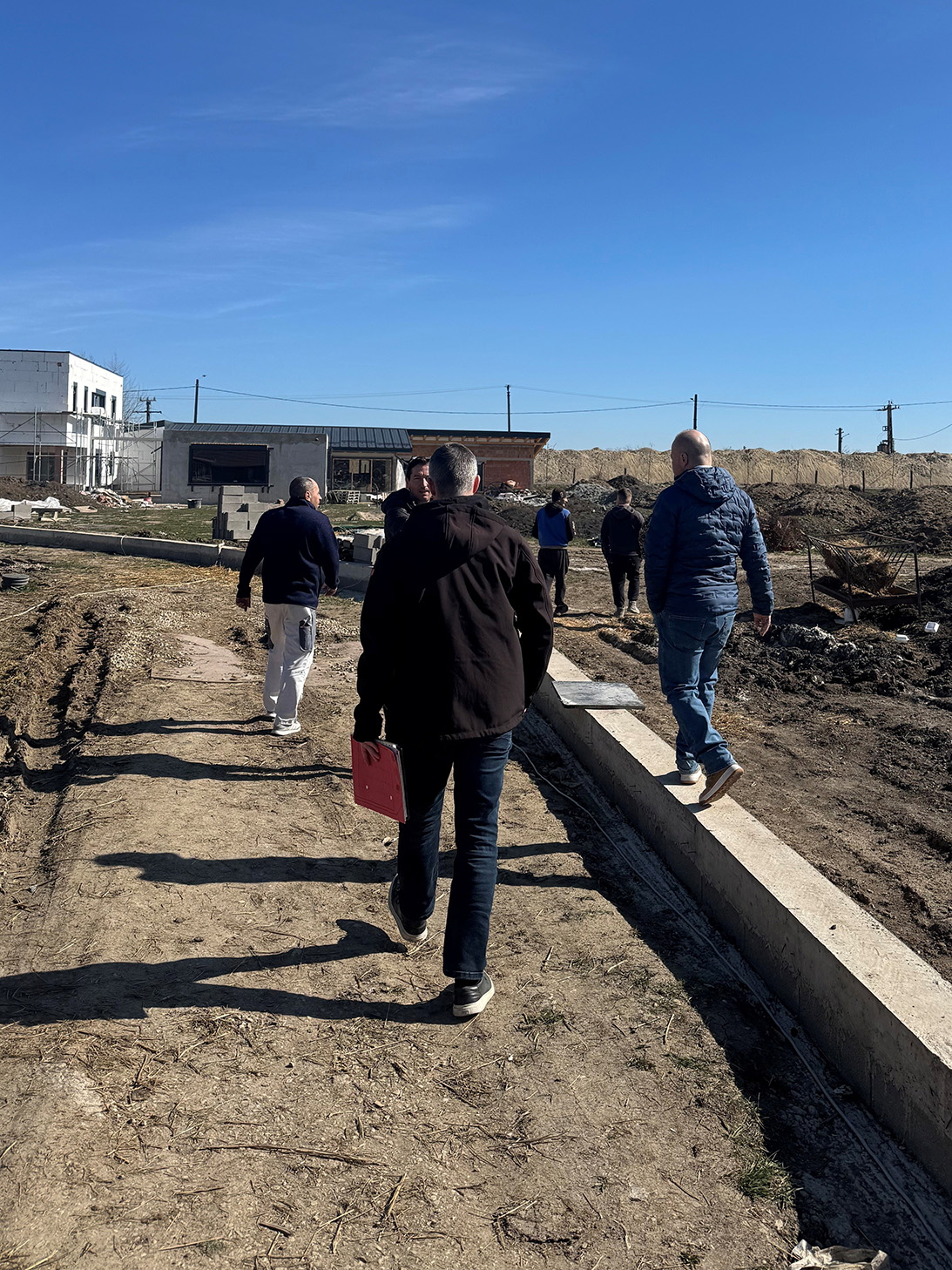
More than 128 construction companies inspected
Published date:
News
Irish is available via eTranslation, the European Commission's machine translation service.
Translate to Irish | Important information about machine translation
Inspectors from 14 EU Member States joined forces to carry out checks specifically targeting construction worksites with a high concentration of cross‑border workers during a Week of Action in 9-17 March.
Inspections were also carried out at worksites to which employees had been placed by companies suspected of having minimal or no business operations in the country of their registration. In practice, this refers to companies that are established in one Member State mainly on paper, often taking advantage of lower wage levels, social contributions, or easier market access, while carrying out their activity elsewhere. In such cases, the company’s establishment and the posting arrangement may be found to be non-genuine, which can have consequences for the applicable employment conditions, including the wage due in the host country.
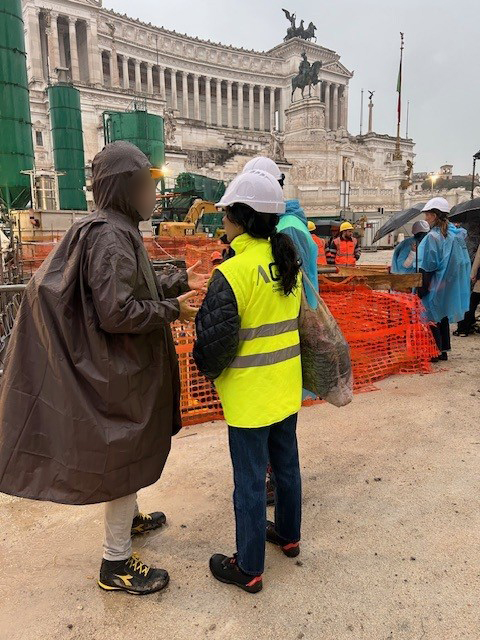
The Week of Action saw authorities from across Europe work together, in 13 concerted and joint inspections conducted in Austria, Germany, Italy, Ireland, Latvia, Malta and Romania, on 9 - 17 Marchi. Labour inspectors collaborated with enforcement officials from customs, social security, taxation, police, and migration authorities to implement a thorough strategy for detecting and addressing irregularities on construction sites.
Visiting inspectors joined from Croatia, Czechia, France, Germany, Hungary, Italy, Ireland, Poland, Portugal, Romania and Spain.
Inspections revealed suspected violations, such as bogus self-employment, possible letterbox companies, wage underpayment, health and safety breaches, , non-genuine posting and unlawful employment of third-country nationals. Investigations on complex and more time-consuming issues, such as pay, social security entitlements, tax compliance, will continue.
Construction remains a cornerstone of the EU economy and employs large numbers of cross-border workers, placing it at the heart of ELA’s mandate. Yet enforcing rules on the posting of workers in this sector continues to present significant challenges.
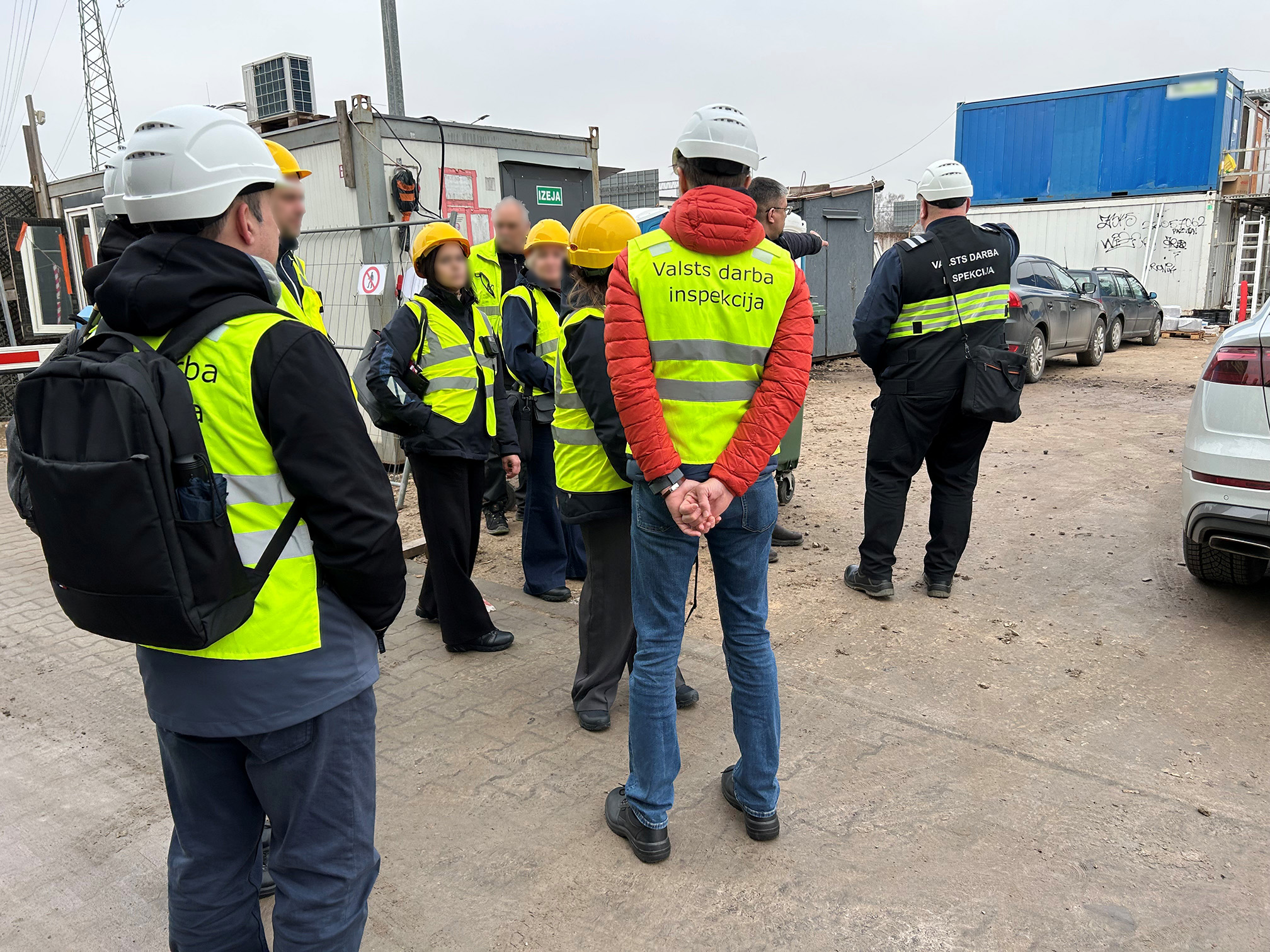
The Latvian Labour Inspectorate and State Revenue Service conducted joint inspections of companies posting third-country workers from Poland to Latvia, with labour inspectors from Czechia and Poland also participating.
The posted worker population in Latvia remains modest—4,850 individuals were posted in 2025, of which 1,860 were third-country nationals. Nevertheless, this figure is increasing and warrants attention for targeted inspections, as certain companies have begun utilising posting practices to circumvent national regulations.
Initial investigations indicate possible tax issues in relation to posting:
While no violations were found regarding employee registration in the Electronic Working Time Recording System, incomplete reporting by main contractors and risks of possible tax non-compliance—including non-declared posted workers and discrepancies in employment data—were identified at both construction sites.
It was inspiring to observe Latvian labour and tax inspectors collaborating, especially as we have recently signed a memorandum on close inspection cooperation and data exchange among Czech labour, tax, social security and other authorities.
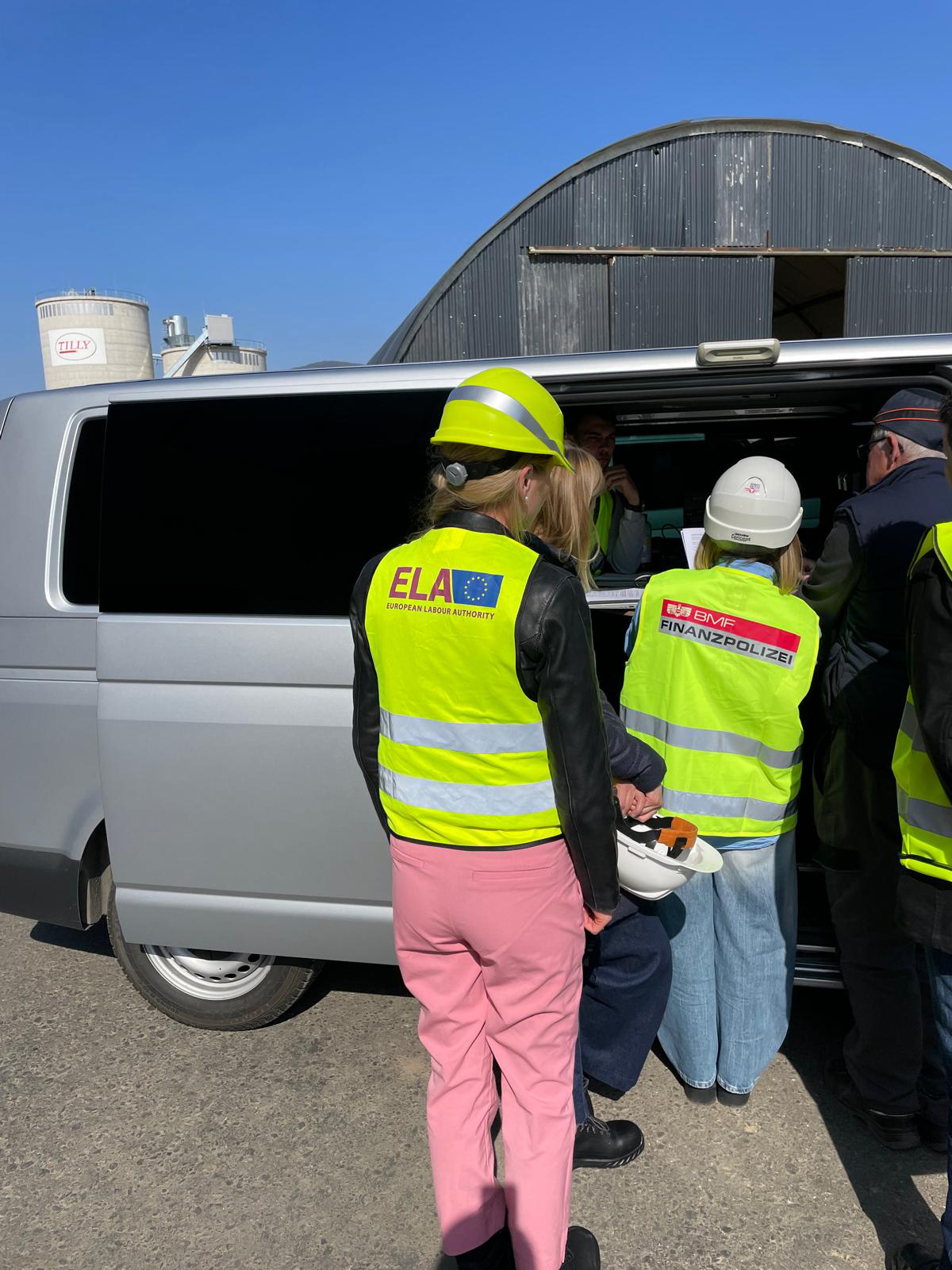
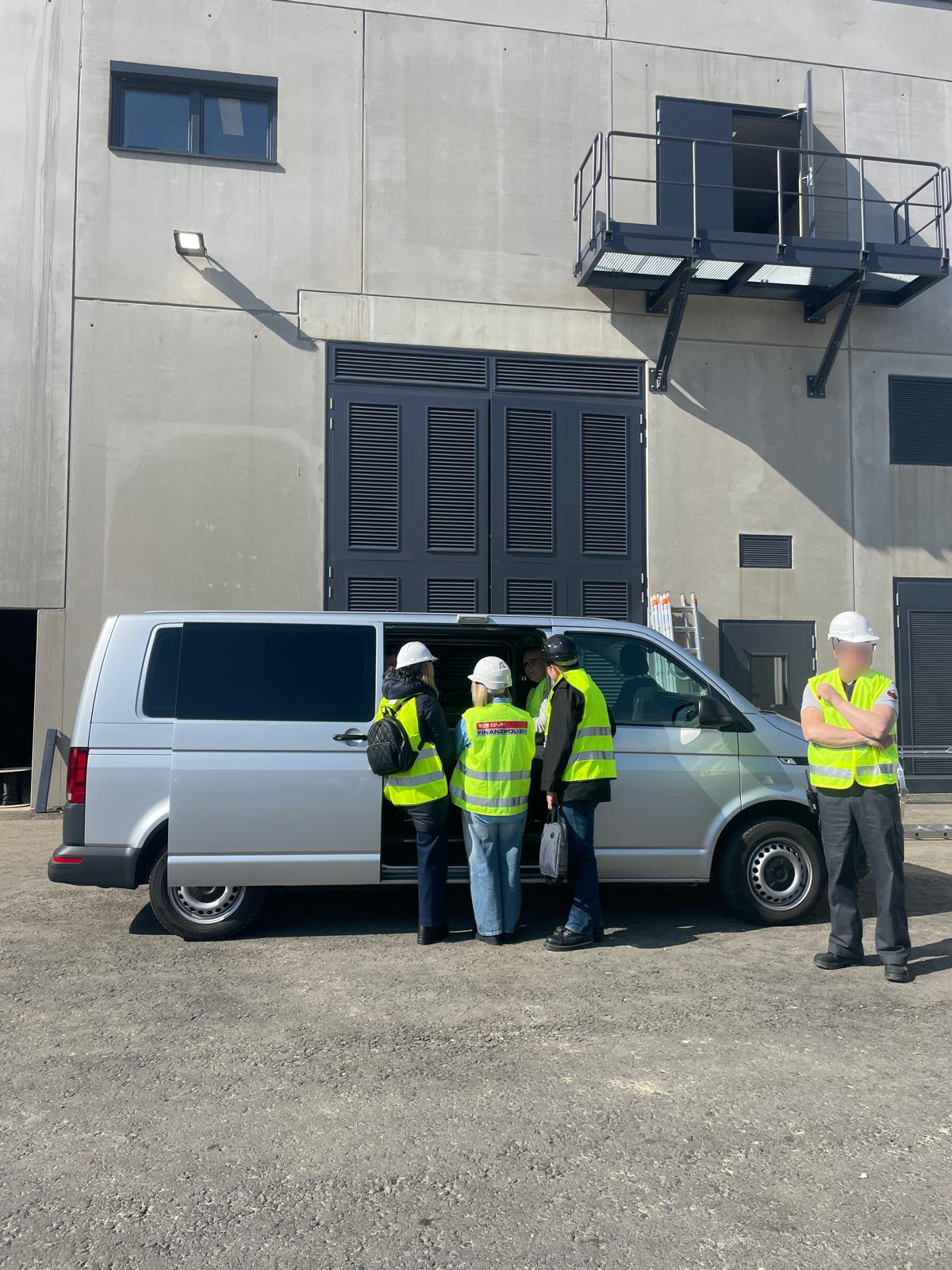
The German Customs Authority, in cooperation with the Romanian Labour Inspectorate, conducted simultaneous inspections of worksites in Germany and company premises in Romania. Companies sending Romanian workers to a large German construction site are suspected of having little actual business activities in their home country.
As a result of the joint inspection carried out with the German inspection authorities, the personnel working at the company’s premises in Alba County were identified; on this occasion, one person was found to be working without an individual employment contract, for which reason the employer was sanctioned in accordance with the law. At the same time, on German territory, a parallel inspection action was carried out, with a representative of the Bucharest Territorial Labour Inspectorate taking part.
German Customs labour inspector mentioned that the evidence gathered in both countries will help verify the authenticity of posting and assess potential impacts on social security coverage. The inspectors have also begun investigating, if the workers have been paid correctly.
The ELA’s Week of Action demonstrates an ongoing commitment to protecting cross-border workers and ensuring fair competition in the construction sector. The Authority will continue collaborating with Member States to strengthen enforcement and foster a safe, equitable labour environment across Europe.